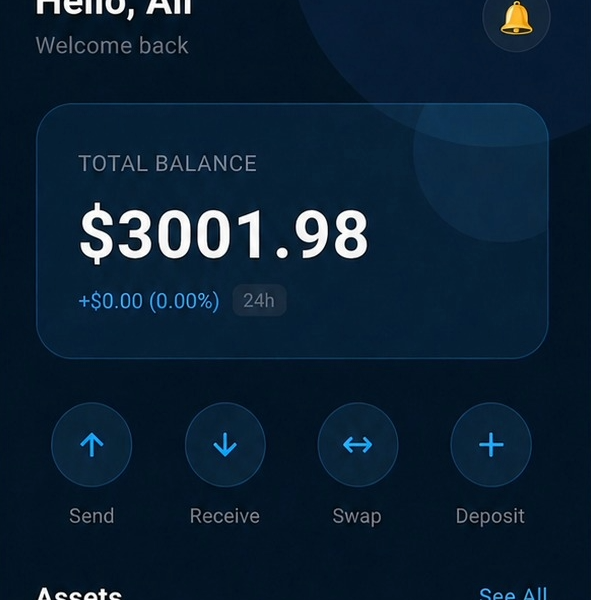
Modern crypto cards let users spend assets from several blockchain networks with a smoother payment experience. Behind that simple card tap, liquidity systems connect different digital assets and networks so transactions can settle efficiently. Cross chain liquidity pools help bring funds together across separate ecosystems, giving card platforms access to a broader pool of assets. This infrastructure supports the best crypto card options for users seeking flexible multi asset spending.
Cross chain liquidity explained
Cross chain liquidity pools connect funds from separate blockchain networks. A pool may support assets from networks such as Ethereum, Polygon, BNB Chain, or other compatible ecosystems. Users deposit assets into these pools, while liquidity providers earn fees from activity. For crypto card platforms, this shared liquidity gives transactions access to a wider pool of digital assets. Instead of keeping separate funds for every transaction type, the platform uses connected liquidity sources to process payments across supported networks.
How multi asset cards use liquidity
A multi asset crypto card lets users spend different cryptocurrencies from one payment account. When a customer pays for a product, the card platform checks the available balance and selects the required asset for settlement. Cross chain pools help the platform access liquidity when the selected asset exists on one network while the payment process involves another. Smart contracts and automated systems coordinate swaps, allowing the platform to convert assets at the required stage. This setup supports smoother spending without forcing users to manually exchange tokens before each purchase.
Faster swaps support daily payments
Payment speed matters at checkout. A slow token swap can interrupt a simple purchase, so liquidity access must remain available during active trading periods. Cross chain pools provide liquidity for asset conversions, while automated market systems calculate exchange rates and process trades. Deep liquidity also helps reduce sharp price differences during larger swaps. For card users, this means a payment system that handles crypto conversion behind the scenes while the purchase proceeds normally.
Lower friction across multiple networks
Crypto users may hold funds across several blockchains. Moving assets manually between networks adds extra steps and fees. Cross chain liquidity reduces that friction by linking assets through connected liquidity systems. A card platform can use these pools to support spending from different networks without asking users to perform every conversion themselves. This gives multi asset cards greater flexibility and supports a wider range of tokens.